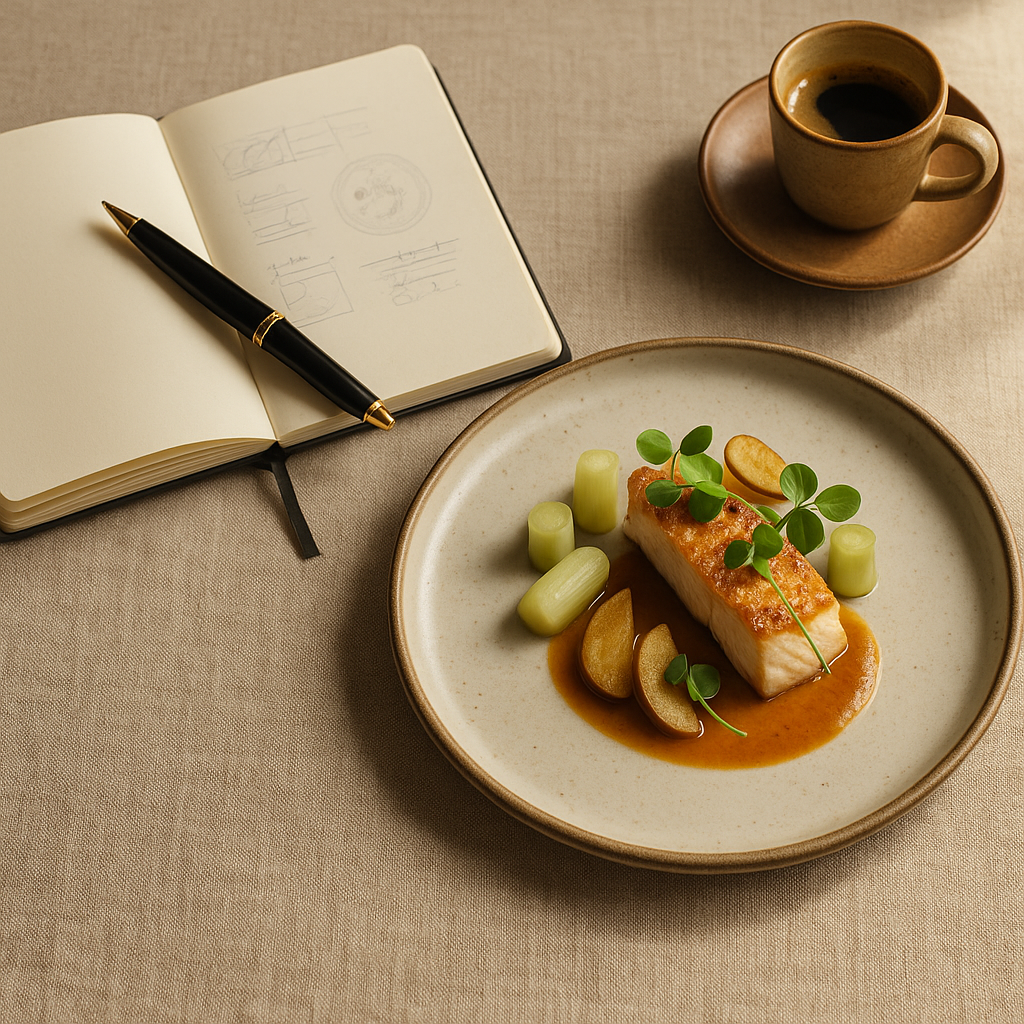
If you manage a restaurant brand, you already know visuals drive ordering decisions. But the question in 2026 is not whether photos matter; it is how to create them at speed and at a sustainable price. AI food photography cost has moved from a novelty to a line item owners compare directly against traditional shoots—especially for menus and aggregators like Uber Eats, Glovo, and Just Eat.
Below, we unpack the real costs on both sides, the hidden fees many teams overlook, and a simple framework to choose the right approach for your next menu update.
The 2026 price landscape at a glance
- AI-driven services
- Typical pricing patterns: per-shot credits, monthly bundles, or full-menu packs. - Example of transparent pricing: FoodFix offers €1.5 per shot, a €45/month Pro plan with 30 photos, a €225 full-menu package, and 99-second turnaround. - Pros: near-instant delivery, consistent lighting and angles, scalable across locations. - Watch-outs: creative direction still matters; choose styles that fit your brand and menu.
- Traditional photographer
- Industry reports indicate rates vary by market and scope. In major EU/US cities, 2024–2025 day rates often ranged from roughly €800–€3,000, with half-day options commonly around €400–€1,500. Expect 2026 pricing to track similarly or higher, depending on demand, licensing, and talent. - Add-ons to budget for: retouching, studio/props, food stylist, travel, rush fees, and licensing for delivery platforms. - Pros: high-touch art direction, custom sets, and tactile control. - Watch-outs: scheduling delays, reshoot costs, and variable licensing terms.
What drives AI food photography cost in 2026
AI pricing is typically transparent, but it helps to understand what affects your total:
- Volume and plan choice
- Pay-per-shot: great for small add-ons. At €1.5 per image, 60 dishes total €90. - Monthly plan: predictable refresh cycles. A €45 plan for 30 photos can cover recurring seasonal updates. - Full-menu pack: for comprehensive rollouts, €225 covers an entire menu in one pass.
- Turnaround speed
- Fast SLA can reduce project overhead and idle time. Sub-2-minute delivery means faster go-live on delivery apps and your website.
- Consistency settings and brand styling
- Set angles, backgrounds, and color profiles once to keep multi-location menus aligned—no incremental cost per restaurant.
- Post-production rework
- Because rendering is automated, revisions are typically lower-cost than reshooting a studio setup.
With FoodFix, you see the price before you start: €1.5 per shot, €45/month for 30 images, or €225 for a full menu, with images delivered in 99 seconds. That predictability helps operators lock in budget for seasonal campaigns without surprises.
The real costs of hiring a photographer in 2026
When you book a traditional shoot, the quote often covers only part of the journey. Industry reports indicate typical ranges vary widely by city and talent. Here are line items many teams factor in:
- Day/half-day rate
- Commonly €400–€1,500 for half-day and €800–€3,000 for a full day in larger markets.
- Pre-production
- Shot list planning, mood boards, location scouting: often rolled into the rate, but can add hours.
- Studio, lighting, and props
- Studio rental, surfaces, plates, and linens. Budgets here can range meaningfully based on concept.
- Food stylist and assistant
- Not always needed, but often recommended for complex plating and steam/texture shots.
- Retouching
- Per-image retouch fees vary; some photographers include light edits, with deeper work billed separately.
- Travel and logistics
- On-site shoots might require travel charges, parking, or delivery of props and gear.
- Licensing and usage
- Be clear on where you can use the images (website, social, delivery platforms, print) and for how long. Extended usage often increases cost.
- Reshoots and scheduling
- Menu changes, new SKUs, or missed angles can trigger additional fees and delays.
Traditional photography shines for hero assets and creative campaigns, but for evergreen menu coverage and aggregator visuals, those extras add up quickly.
Mini case study: 60-dish delivery menu update
A mid-market bistro group needs fresh images for 60 dishes to improve ordering across Uber Eats, Glovo, and Just Eat. They want consistent angles, no props clutter, and a quick rollout before a long weekend push.
Option A: AI
- Budget: €90 using pay-per-shot at €1.5 x 60, or two months of a €45 plan (30 photos/month) to phase the rollout over eight weeks, or a €225 full-menu pack if they want room for alternates and future LTOs.
- Timeline: delivery in minutes, allowing immediate upload and A/B visuals without rebooking.
- Consistency: a single style template keeps every dish aligned across all locations.
Option B: Photographer
- Budget: Based on industry-reported ranges, a half-day may not cover 60 SKUs; more likely, a full day (or two) is needed, at roughly €800–€3,000/day in larger markets, plus stylist, props, retouching, and potential licensing for delivery platforms.
- Timeline: scheduling, shoot day, and editing can push live dates by days or weeks.
- Consistency: achievable, but requires careful shot lists and time per dish.
Result: for utility menu coverage across delivery apps, the AI route keeps costs predictable and speed high, with the flexibility to iterate when dishes change.
Speed, scale, and consistency for multi-location brands
- Scale without reshoots
- Add new stores or dishes with the same template, maintaining visual trust across geographies.
- Faster pivots
- If a dish evolves, update the shot in minutes instead of rebooking a team.
- Platform readiness
- Crop-safe compositions and clean backgrounds help visuals read well in grid views on Uber Eats, Glovo, and Just Eat.
FoodFix is built to deliver this kind of operational speed: 99-second turnaround, consistent styling, and predictable per-shot or plan pricing so your marketing calendar stays on track.
When a photographer still makes sense
- Brand campaigns and flagship hero images where bespoke sets, talent, motion, or location storytelling matter.
- High-concept editorial shoots for PR placements and print where tactile art direction is paramount.
- New brand identities that require exploratory looks, props, and narratives beyond pure menu utility.
For most day-to-day menu upkeep and delivery platform galleries, AI is the faster, lower-friction choice; save the live shoot budget for signature moments.
How to choose for your next update
- Define your goal
- Utility menu coverage vs. brand campaign.
- Map channels and specs
- Website, print, Uber Eats/Glovo/Just Eat tiles, in-store screens.
- Set a per-SKU budget ceiling
- Decide if you can sustain imagery for quarterly refreshes.
- Decide on speed-to-live
- Can you wait a week, or do you need images today?
- Lock consistency standards
- Angles, backgrounds, and color profile to match your brand.
If you want predictable costs, instant turnaround, and delivery-app-ready images, try FoodFix to produce your next batch at scale.
FAQ
Are AI-generated images accepted on delivery platforms like Uber Eats, Glovo, and Just Eat?
Platform policies evolve, but generally, clear and truthful visuals of your dishes are the goal. Many operators use retouched or AI-assisted workflows for consistency. Always review the latest guidelines for your market and ensure images represent the actual items sold.
Will the images match my real dishes and brand colors?
Set a style template and color preferences at the start, then keep plating consistent in service. You can iterate angles and backgrounds until the result reflects your brand. Calibrated color profiles help maintain skintones, greens, and sauces that customers expect.
How fast can I get menu-ready images?
AI services can deliver in minutes; sub-2-minute turnarounds are common and help teams hit seasonal deadlines without booking windows or overtime.
What about licensing and long-term usage?
AI platforms typically include broad commercial usage without per-image licensing renewals. Review terms to ensure web, social, aggregator, and print rights are covered for your brand and locations.
What is a realistic monthly budget for a small refresh?
For a 30-image refresh, many teams opt for a monthly bundle to stabilize spend and cadence. Pay-per-shot models also work well for ad-hoc gaps or limited-time offers.
Bottom line
- AI food photography cost is now transparent and predictable, enabling frequent menu updates without heavy coordination.
- Traditional shoots remain valuable for hero campaigns, but day rates, add-ons, and licensing can make routine coverage expensive.
- For delivery platforms and multi-location menus, AI delivers speed, consistency, and budget control. FoodFix streamlines that workflow so your team can focus on food and growth.